
Can You Live at Home During a Kitchen Remodel?
You may be able to live at home during a kitchen remodel if the occupied areas remain safely separated from construction and your household has workable arrangements for food, water, sanitation, and access. Decide with the contractor after reviewing the scope. Extensive disruption or work that cannot be safely isolated may make temporary accommodation more practical.
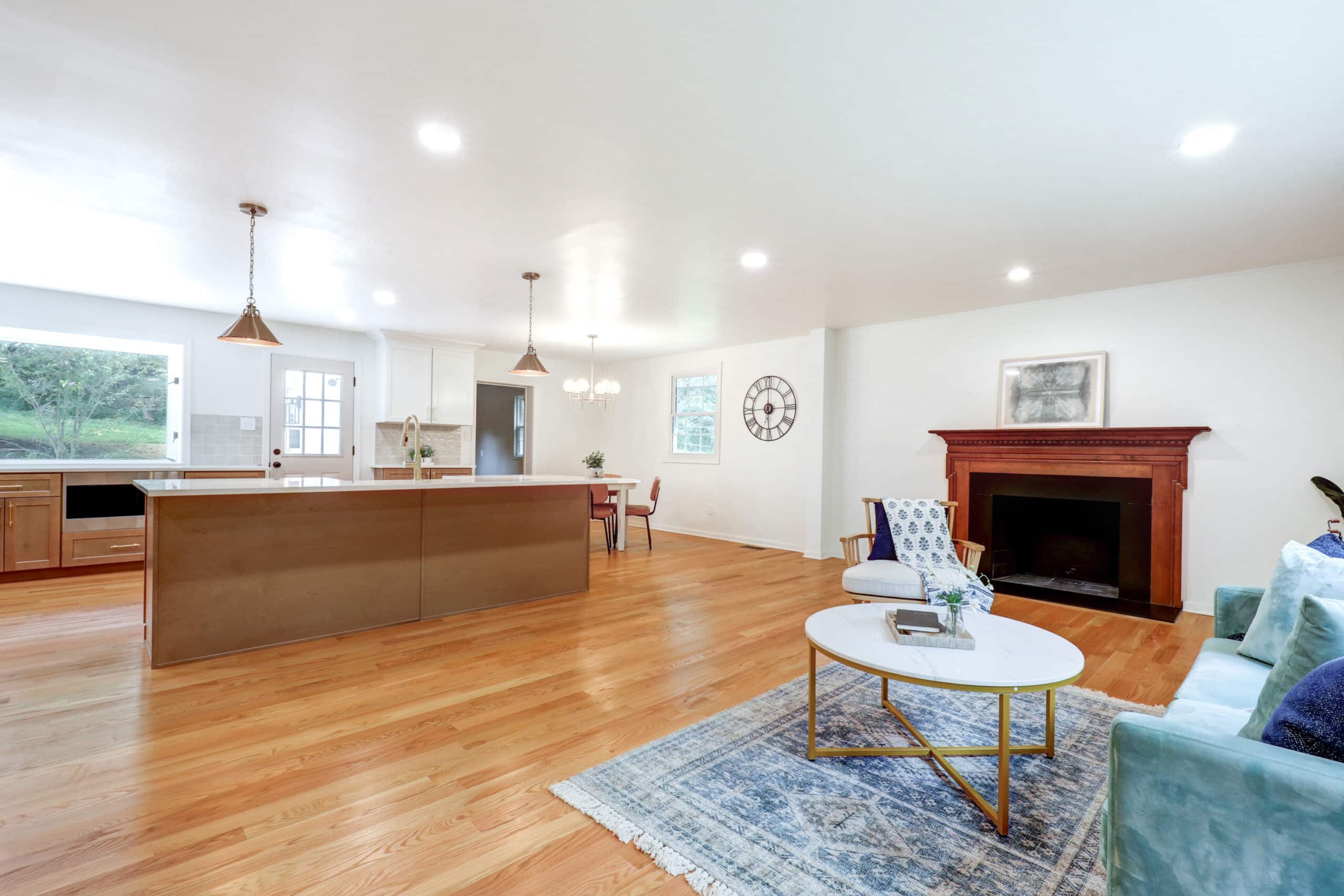
Awakened Kitchens’ package and process information explains that the schedule depends on scope, material availability, permits, and existing conditions. Treat your own confirmed schedule as the basis for household arrangements, and allow for changes if the scope or conditions require them.
What do you need to know before deciding to stay?
Find out which rooms, utilities, and routes will remain usable and which construction activities could affect the occupied part of the house. A kitchen remodel can disrupt more than cooking. Ask about daily work hours, bathroom access, deliveries, dust containment, and the point when the sink and appliances will be disconnected.
| Household need | Decision to make before work starts |
|---|---|
| Food storage | Where the refrigerator can safely operate and how it will be moved |
| Meals | What can be prepared without entering the work area |
| Water and cleanup | Which suitable sink or washing arrangement remains available |
| Children and pets | How they will stay away from the construction zone |
| Work and school | Where calls, homework, and quiet activities can happen |
| Access | Which entrances and paths remain open for household use |
| Overnight comfort | Whether noise, dust, or other conditions make staying impractical |
Make the decision for the people who actually live there. A household that eats out frequently may have different needs from one that prepares several meals at home each day. Share those routines with the contractor before the schedule is set.
How do you set up a temporary kitchen?
Choose a clean area outside the construction zone and keep the setup small enough to manage. Plan food storage, a preparation surface, suitable appliance locations, and a washing arrangement. Have the contractor or appropriate trade professional confirm electrical and access considerations before placing appliances or running temporary equipment.
Pack most kitchen belongings away, then create one essentials box. Include the dishes, utensils, food containers, and cleaning supplies you will actually use. Label the other boxes by contents so retrieving an item does not require unpacking the room.
Use a simple menu plan to test the setup before demolition. Work through an ordinary breakfast and dinner with the equipment that will remain available. If the plan depends on repeatedly entering the work area for ingredients or washing, revise it before construction begins.
Keep hot appliances on appropriate surfaces with the clearances their manufacturers require. Do not improvise an indoor cooking arrangement with equipment intended for outdoor use. If suitable cooking access is not available, plan meals that do not require that equipment or arrange another location.
How do you keep food cold and meals manageable?
Arrange refrigeration before the existing appliance is disconnected. FoodSafety.gov recommends keeping the refrigerator at 40°F or below and refrigerating perishable food within two hours, or within one hour when exposed to temperatures above 90°F, in its food-safety guidance. Use a thermometer rather than judging food safety by how cold a container feels.
Reduce the amount of food that must be relocated on removal day. Plan a smaller grocery shop and use up what you can beforehand. If the refrigerator must be disconnected or moved, discuss the expected downtime and a suitable backup before the work begins.
Give meal costs their own place in the household budget. A plan that relies on takeout for every meal may become tiring or expensive. Mix practical alternatives according to the facilities you can safely use, and keep cleanup realistic.
How should dust and the work area be managed?
Agree on containment, ventilation, cleanup, and access restrictions with the contractor before work starts. The Environmental Protection Agency’s indoor air quality guidance for remodeling emphasizes controlling dust and limiting its movement into other parts of the home. A barrier is part of a plan, not proof that every activity is safe beside an occupied room.
Ask who can enter the work area and when it can be reopened. Keep children and pets away from tools, materials, debris, and open work. Arrange a separate path for daily routines so nobody needs to cross the construction zone to reach a frequently used room.
For an older home, raise potential hazardous materials during planning. A decision to stay should account for the assessment and the work method, not just whether a spare room is available. Follow the contractor’s project-specific restrictions and any applicable professional guidance.
What should you pack or move before demolition?
Clear cabinets and drawers, remove fragile items from nearby surfaces, and agree on the delivery and removal route. Ask the contractor which appliances and fixtures you should leave in place for the crew. Do not disconnect utilities or move heavy equipment simply to make the room look ready.
Use this preparation checklist:
- Photograph the kitchen and the appliances you intend to retain.
- Pack and label items that will not be used during construction.
- Establish the temporary meal area and food-storage plan.
- Clear agreed work and access routes.
- Arrange a secure area for pets and household belongings.
- Record the project contact and preferred communication method.
- Review any decisions still needed before installation.
If you are still choosing finishes, revisit the kitchen design gallery before the ordering deadline. Finishing those decisions during preparation leaves fewer loose ends while your routine is already disrupted.
Frequently asked questions about living through a kitchen remodel
Can I keep my refrigerator plugged in during the remodel?
Possibly, if there is a suitable location, electrical connection, and safe access outside the work area. Ask the contractor to confirm the arrangement before moving it. Plan for any disconnection and check the refrigerator’s temperature. Do not assume it can remain in place while adjacent work proceeds.
Can I use the kitchen at night when the crew leaves?
Only use areas and equipment the contractor has confirmed are safe and ready. The absence of workers does not make disconnected appliances, exposed work, or newly installed materials ready for use. Ask for a specific handoff point for the sink, cooking equipment, and preparation surfaces.
When is moving out the more practical option?
Consider temporary accommodation when safe separation, sanitation, food access, or essential household routines cannot be maintained. Extensive work or project-specific hazards may also affect the decision. Review the planned activities with the contractor, including the needs of children, pets, and anyone especially affected by the disruption.
Plan the household routine alongside the remodel
For kitchen remodeling in Lebanon or another part of Central Pennsylvania, include household arrangements in the first planning discussion. Contact Awakened Kitchens with your location, goals, and timing so the project conversation covers both the kitchen and the routines around it.