
Keep or Replace Kitchen Appliances During a Remodel?
You do not have to buy all-new appliances to remodel a kitchen. Keep appliances that work for your household and fit the new cabinet and counter plan. Replace an appliance when its condition, capacity, or dimensions make it a poor fit. Make the decision before the layout is finalized, because a refrigerator door, dishwasher opening, or range connection can change the cabinetry around it.
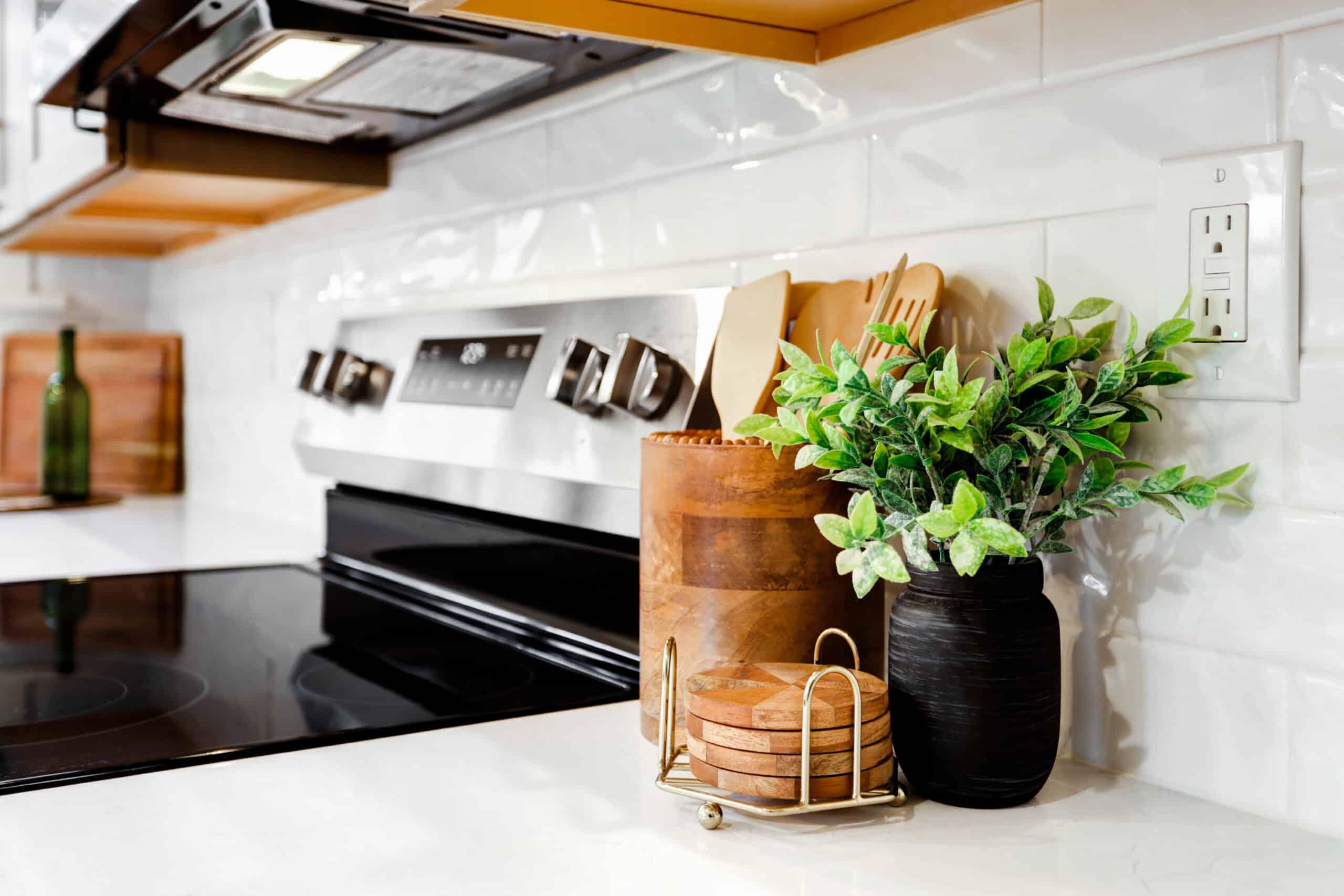
For Awakened Kitchens projects in Central Pennsylvania, installing your own appliances is included in the base scope, whether you keep your current ones or buy new ones yourself. Appliances bought through Awakened Kitchens are an additional cost, and the team can help you choose them. The proposal should confirm the models being installed and any work beyond a standard installation. That distinction can let you direct more of your budget toward the parts of the kitchen you use most.
Can you keep your old appliances with new cabinets?
Usually, if they are in suitable condition and their measurements, clearances, and connections work with the new plan. Do not rely on the size printed in a product category, such as “standard refrigerator.” Find the exact model number and installation instructions. Measure the appliance itself, the surrounding opening, and the space needed to open doors and drawers.
For a refrigerator, record width, height, depth including handles, and door swing. Check whether a nearby wall or island prevents the door from opening fully. LG’s refrigerator buying guide specifically calls out ventilation clearance, front-of-fridge space, and the delivery path. Follow the requirements for your exact model rather than assuming its sample clearances apply to every refrigerator.
For the range, note fuel type, width, depth, and any required clearances. For the dishwasher, note the cabinet opening, floor height, and connections. Photos of the model labels and open appliance doors are useful alongside the measurements.
When is replacing an appliance worth considering?
Consider replacement if the appliance is unreliable, no longer meets your household’s needs, or would force a layout compromise you do not want. Compare the price of a new model with the additional cabinetry or installation work needed to keep the old one. There is no automatic rule that a kitchen remodel requires matching appliances or that every older appliance should be discarded.
If efficiency is part of your decision, compare actual product information. ENERGY STAR’s refrigerator buying guidance explains size and configuration considerations. Its dishwasher guidance recommends checking the yellow EnergyGuide label when comparing operating costs. A specific model’s label is more useful than a broad claim that “new appliances save money.”
| Appliance | Keep-it question | If buying new, confirm |
|---|---|---|
| Refrigerator | Do the doors open fully in the proposed layout? | Full dimensions, clearances, delivery route, and water connection if needed |
| Dishwasher | Can it be removed after the finished floor and counter are installed? | Opening height, panel style, drain and supply requirements |
| Range or cooktop | Does the current unit suit the planned cooking and ventilation setup? | Fuel, electrical or gas connection, clearances, and hood compatibility |
| Microwave | Where will it live without blocking useful counter space? | Cabinet fit, venting method if applicable, and electrical requirements |
Should you buy the appliances before ordering cabinets?
You should at least select the exact models and obtain their current specification sheets before the cabinet plan is approved. Purchasing and delivery can follow the agreed project schedule, but “we will pick a refrigerator later” leaves an avoidable sizing risk. If you change a model after cabinets are ordered, tell the remodeler immediately and ask what must change.
This is especially important for a built-in look. A fridge panel, cabinet above a refrigerator, or tight side wall can turn a small model difference into a visible gap or a door that cannot open as intended. The Awakened Kitchens gallery can help you decide on the look; the actual appliance specification sheet determines the fit.
What if you want to replace appliances later?
Plan for a realistic future opening rather than designing only around today’s appliance. Ask whether a likely replacement size will fit the cabinet width, depth, and finished floor. Also check whether an appliance can be pulled out for repair without removing the counter or flooring. Future-proofing is a discussion about specific dimensions, not a guarantee that every later model will fit.
For a Reading-area homeowner, the Reading kitchen remodeling page connects this planning topic to the local service market. Share the current appliance model numbers and your ZIP code when you inquire. Awakened Kitchens can confirm service availability and review fit for your actual room.
What belongs in the appliance part of the proposal?
List each appliance by model or mark it clearly as an owner-supplied item with a decision deadline. Identify who purchases, delivers, stores, moves, connects, and disposes of each one. The proposal should also separate standard installation from any new circuits, plumbing changes, gas work, special ventilation, or cabinet modifications. A single line that says “appliances included” is too ambiguous when purchases are separate.
You can start with the kitchen estimate calculator to frame the budget. Use the consultation and written proposal to resolve what is actually being bought or installed.
Frequently asked questions about appliances in a kitchen remodel
Do I need to replace all appliances at once?
No. A mixed set can be a sensible choice if the appliances function well and fit the design. Prioritize any appliance that is failing or changes the cabinet plan. Keep an inventory of what stays and what goes so the installer can coordinate openings, hookups, and delivery.
Can I buy appliances myself?
Yes. Installing appliances you buy yourself is included in the Awakened Kitchens base scope. Appliances bought through Awakened Kitchens are an additional cost, and the team can help you choose them. If you plan to buy them yourself, confirm that arrangement in the proposal. Share model specifications and delivery timing before cabinetry is finalized, and ask who is responsible for damage, returns, storage, and any nonstandard connection work.
Is a counter-depth refrigerator the same depth as the counter?
Not necessarily. The cabinet box may be shallower, but doors and handles can extend farther, and the appliance still needs the clearance specified by its manufacturer. Compare measurements with doors closed and open. Check the aisle and any island in front of the refrigerator before ordering.
Make the appliance list part of the design
Send your appliance model numbers, kitchen photos, and a list of units you might replace when you request an Awakened Kitchens consultation. A clear appliance schedule helps the new kitchen fit both your current and planned equipment.