
How to Choose a Kitchen Backsplash That Works With Your Counters
Choose a kitchen backsplash after narrowing your cabinet and countertop selections. Compare the tile’s color, pattern, texture, grout, and finished edges as one assembly. A backsplash needs to suit both the room and the way you clean it. Approve a physical sample arrangement before committing to a large area of wall.
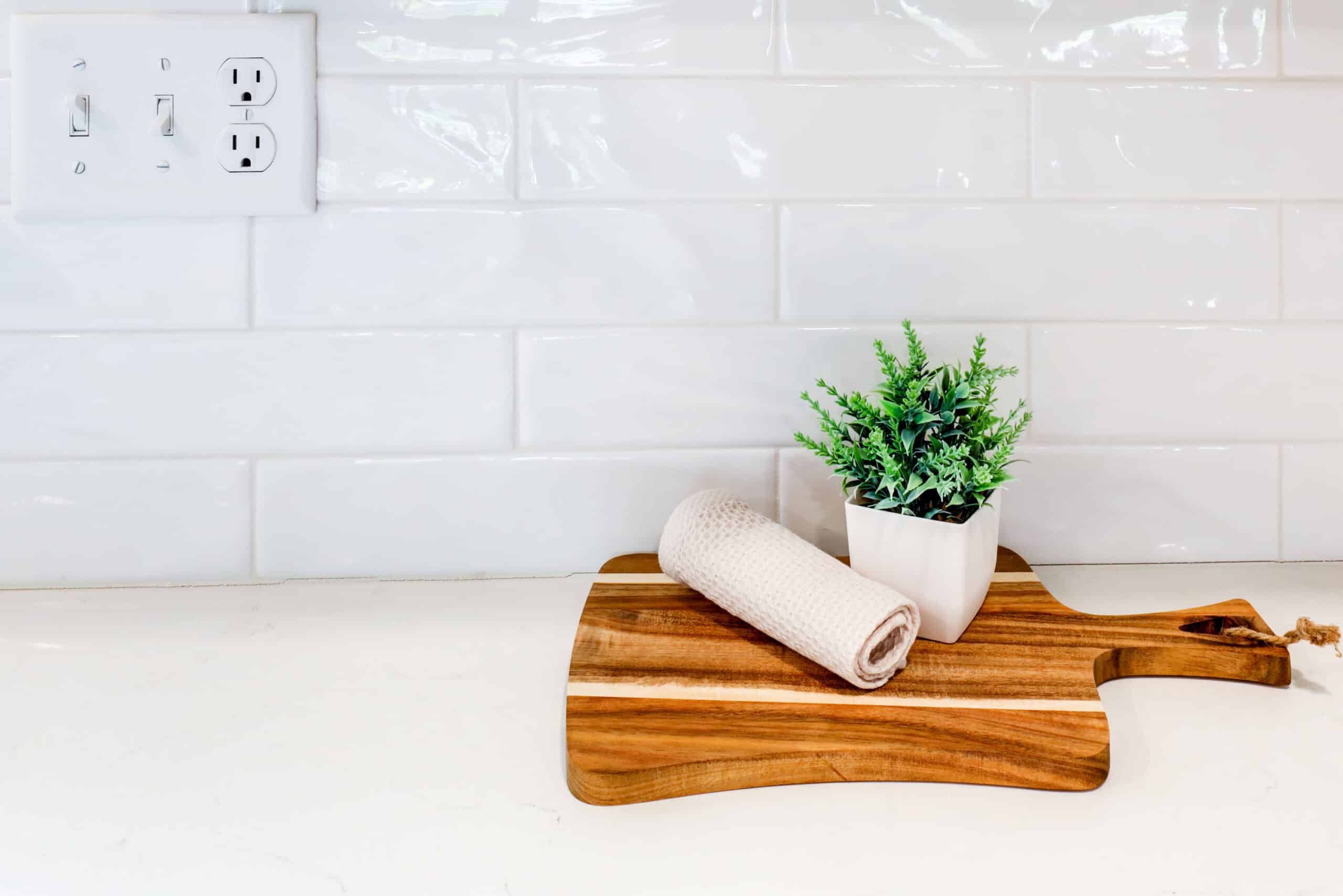
For Awakened Kitchens’ Central Pennsylvania projects, the kitchen design gallery provides coordinated starting points. Use it to identify combinations you like, then confirm the actual products and included scope in the proposal.
Should you choose the countertop or backsplash first?
It usually helps to narrow the countertop first, especially when its pattern is a major visual feature. Then compare backsplash samples alongside it and the cabinet door. For countertop colors, start with the MSI quartz and MSI granite collections we select from. You can revise either selection during planning, but judge the combination together rather than approving each surface separately and hoping they work when installed.
Try choosing one surface to lead the design. If you love prominent veining in the countertop, test a quieter tile. If the countertop is visually simple, explore whether a patterned backsplash gives you the character you want.
Neither direction is mandatory. The useful test is whether you still like the arrangement from across the room, where you see the whole wall instead of individual samples.
Which backsplash material is practical for a kitchen?
Compare products intended for the proposed wall location and ask about cleaning, installation, and any sealing requirements. Ceramic, porcelain, glass, and natural stone offer different looks and care considerations. Daltile’s backsplash guide explains the wall-protection role of a backsplash and shows several material and format options.
| Option to compare | What to inspect | What to ask |
|---|---|---|
| Glazed ceramic or porcelain | Surface texture, edges, and color variation | Is this product approved for the planned location and cleaning routine? |
| Glass | Appearance with the proposed backing and lighting | What installation materials and edge treatment does it require? |
| Natural stone | Variation, texture, and the exact stone type | Which cleaning products and sealing instructions apply? |
| Mosaic | Pattern alignment and the amount of grout | How will sheets, corners, and cut edges be finished? |
Do not assume a small sample shows the full range of variation. Ask whether multiple tiles or a display panel are available. A deliberately varied product may look quite different when repeated across the wall.
How do you choose a backsplash for white or wood cabinets?
Start with the undertones and contrast in the actual cabinet and countertop samples. With white cabinets, compare whites directly so the combination feels intentional. With wood cabinets, consider how much additional movement you want in the backsplash. In a two-tone kitchen, review the tile beside both cabinet finishes.
For a practical test, hold the tile vertically behind the counter sample. Add the cabinet door and hardware, then step back. A combination that looks attractive when laid flat on a table may read differently in its installed orientation.
Our Crisp Classic collection provides a white-cabinet starting point, while Natural Elegance shows a wood-cabinet direction. Treat the images as design references and confirm final selections rather than trying to match a photograph by eye.
Does grout color really change the look?
Yes. Grout can make the tile pattern more prominent or let the surface read as a quieter field. Compare a grout sample with several tiles instead of one loose piece. Also ask which grout product is specified, how it should be cleaned, and whether it requires sealing under the manufacturer’s instructions.
Daltile’s ceramic and porcelain care guidance distinguishes grout maintenance from tile care and notes that sealing does not eliminate surface buildup. A low-maintenance choice still needs an appropriate cleaning routine.
Before deciding, ask the installer to show the planned joint appearance. The width and color work together. A sample arrangement is especially valuable with an unusual tile shape or a high-contrast grout selection.
Where should a kitchen backsplash stop?
Decide the boundaries on a drawing before installation. Identify the height, outside edges, corners, window returns, and the area around the range or hood. The right stopping point depends on the cabinetry, wall arrangement, selected materials, and appliance requirements. Avoid leaving these visible details for an on-site guess.
Use photographs of your existing kitchen to mark:
- The beginning and end of each tiled wall.
- Any area extending above the bottom of the wall cabinets.
- The treatment around windows and exposed side edges.
- Outlet and switch locations that interrupt the pattern.
- The intended focal point behind a range or sink.
If the plan includes a different hood or appliance, coordinate those details first. The installer needs the actual requirements and dimensions, not only an inspiration image.
What makes a backsplash more complicated to install?
Ask the installer to assess the wall condition, layout, cuts, transitions, and product requirements. An elaborate pattern or difficult edge can need more planning than a straightforward field of tile. Compare the installed scope rather than judging affordability from the tile’s shelf price alone.
For natural stone, ask about cleaning compatibility as well as appearance. The Natural Stone Institute explains that stone composition affects care and that acidic cleaners can damage some materials in its natural stone cleaning guide. Follow instructions for the selected stone and installation products.
Review the Awakened Kitchens package scope to see where the backsplash fits in the overall remodel. Request separate pricing for selections or details outside that scope.
Frequently asked questions about kitchen backsplashes
Should a backsplash match the countertop exactly?
It does not need to match exactly. Decide whether you want the two surfaces to blend or create contrast, then compare physical samples with the cabinet finish. Look at the whole arrangement in your kitchen’s lighting. A coordinated combination can use different colors or patterns without making every surface identical.
Is subway tile the only simple backsplash option?
No. Simplicity can come from a restrained color, modest contrast, or an uncomplicated layout in several tile formats. Compare the number of visible joints and the scale of the pattern. Ask for a sample arrangement so you can judge the repeated surface rather than relying on a single tile.
Can I leave backsplash selection until after the remodel starts?
You can discuss the schedule with the contractor, but approving the selection beforehand reduces an unresolved decision during construction. The tile, grout, trim, and installation details need to work together. Confirm ordering and decision deadlines so a late choice does not interrupt the planned sequence.
Finish the palette before placing the order
Bring a cabinet preference, countertop sample, and photographs of your room to a kitchen consultation. Awakened Kitchens can discuss a coordinated backsplash and identify the details that belong in your written project scope.